Embarking on a DIY paving project can be both exciting and cost-effective. However, without proper knowledge and preparation, common mistakes can lead to unsatisfactory results and costly repairs. This comprehensive guide will help you navigate the pitfalls of DIY paving to ensure a durable and aesthetically pleasing outcome.
Inadequate Site Preparation
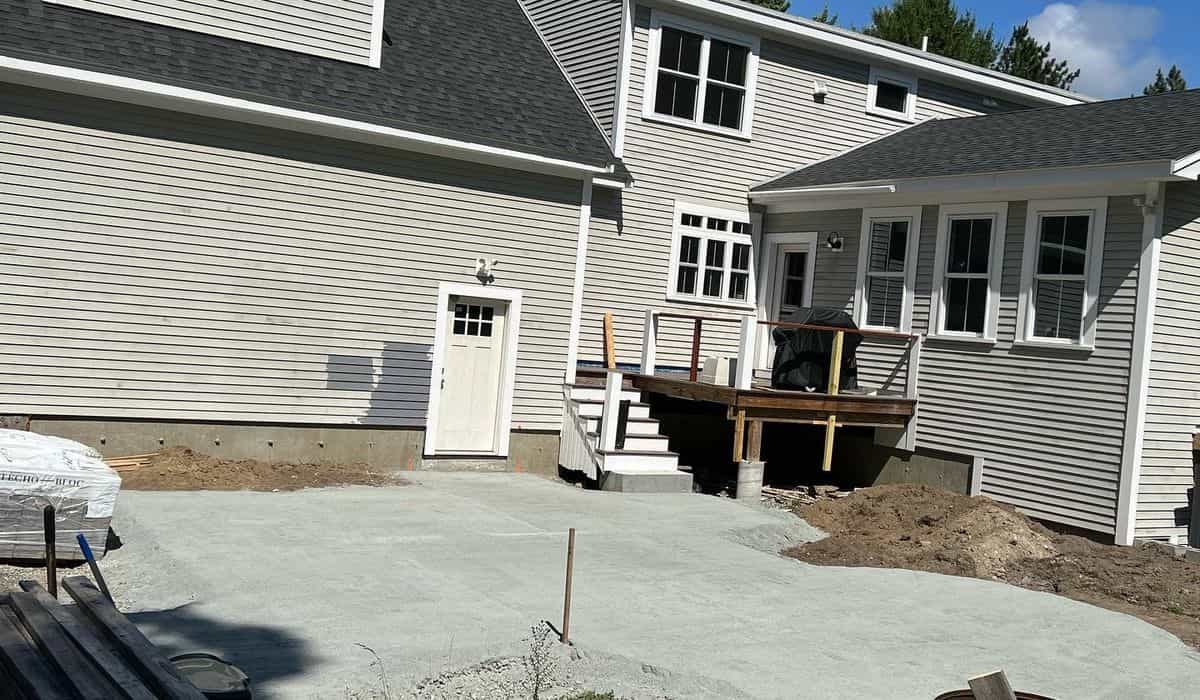
Proper site preparation is the foundation of any successful paving project. Neglecting this step can result in uneven surfaces, poor drainage, and premature deterioration.
Key Considerations:
-
Clearing the Area: Remove all vegetation, debris, and topsoil to reach a stable subgrade.
-
Excavation Depth: Excavate to a depth that accommodates the base material and pavers, typically 6–8 inches for patios and 10–12 inches for driveways.
-
Compaction: Use a plate compactor to compact the subgrade soil, ensuring a solid foundation.
-
Geotextile Fabric: Install a geotextile fabric to prevent the mixing of subgrade soil with the base material, enhancing stability.
Improper Base Installation
A well-constructed base is crucial for the longevity of your paving. Mistakes in this phase can lead to shifting and settling over time.
Best Practices:
-
Material Selection: Use crushed stone or gravel (e.g., MOT Type 1) for the base layer.
-
Layering: Apply the base material in layers, compacting each layer thoroughly before adding the next.
-
Thickness: Ensure the base layer is at least 4 inches thick for patios and up to 8 inches for driveways.
Neglecting Proper Drainage
Failing to plan for adequate drainage can cause water pooling, leading to damage and safety hazards.
Drainage Solutions:
-
Slope: Design the paved area with a slight slope (1–2%) away from structures to facilitate water runoff.
-
Drainage Channels: Incorporate French drains or channel drains to manage excess water effectively.
-
Permeable Pavers: Consider using permeable pavers that allow water to seep through, reducing runoff.
Incorrect Paver Installation
Improper laying of pavers can result in uneven surfaces and compromised structural integrity.
Installation Tips:
-
Pattern Planning: Choose a laying pattern that suits the area and ensures interlock strength.
-
Joint Spacing: Maintain consistent spacing between pavers to allow for jointing material.
-
Edge Restraints: Install edge restraints to prevent pavers from shifting over time.
Skipping Joint Sand Application
Joint sand stabilizes pavers and prevents weed growth. Omitting this step can lead to movement and maintenance issues.
Application Guidelines:
-
Type of Sand: Use polymeric sand for enhanced binding and resistance to erosion.
-
Filling Joints: Sweep sand into the joints until they are completely filled.
-
Compaction: Compact the pavers to settle the sand and then apply water to activate the polymeric properties.
Ignoring Weather Conditions
Weather plays a significant role in the success of your paving project. Working under unsuitable conditions can compromise the quality of the installation.
Weather Considerations:
-
Temperature: Aim to work in temperatures between 50°F and 85°F for optimal results.
-
Rain: Avoid working during or immediately after rain, as moisture can affect compaction and adhesion.
-
Freezing Conditions: Do not install pavers when the ground is frozen, as this can lead to uneven settling.
Overlooking Maintenance
Regular maintenance extends the lifespan of your paved surfaces. Neglect can lead to deterioration and costly repairs.
Maintenance Tips:
-
Cleaning: Regularly sweep and wash the surface to remove debris and prevent staining.
-
Sealing: Apply a sealant to protect against weathering and stains.
-
Weed Control: Inspect joints for weed growth and remove promptly to prevent damage.
DIY Paving Mistakes and Solutions
| Mistake | Solution |
|---|---|
| Inadequate Site Preparation | Clear area, excavate to proper depth, compact subgrade, and install geotextile fabric. |
| Improper Base Installation | Use appropriate base materials, apply in layers, and compact thoroughly. |
| Neglecting Proper Drainage | Design with slope, install drainage systems, and consider permeable pavers. |
| Incorrect Paver Installation | Plan pattern, maintain joint spacing, and install edge restraints. |
| Skipping Joint Sand Application | Use polymeric sand, fill joints completely, compact, and activate with water. |
| Ignoring Weather Conditions | Schedule work during suitable weather, avoiding rain and freezing temperatures. |
| Overlooking Maintenance | Implement regular cleaning, sealing, and weed control practices. |
Frequently Asked Questions (FAQs)
Q1: What is the ideal base material for paving projects?
A: Crushed stone or gravel, such as MOT Type 1, is recommended for its stability and drainage properties.
Q2: How thick should the base layer be?
A: For patios, a 4-inch base is sufficient, while driveways may require up to 8 inches.
Q3: Can I lay pavers directly on soil?
A: No, laying pavers directly on soil can lead to shifting and uneven surfaces. A proper base is essential.
Q4: Is sealing pavers necessary?
A: While not mandatory, sealing pavers protects against stains, weathering, and enhances appearance.
Q5: How often should I perform maintenance on my paved area?
A: Regular maintenance, including cleaning and inspection, should be performed at least twice a year.
Why Choose MDZ Crew Landscaping & Paving Inc
At MDZ Crew Landscaping & Paving Inc, we specialize in delivering high-quality paving solutions tailored to your needs. Our experienced team ensures meticulous site preparation, proper base installation, and attention to detail in every project. Whether you’re considering a new patio, driveway, or walkway, our services guarantee durability and aesthetic appeal.
Explore our range of services and discover how we can transform your outdoor space:
Contact us today to schedule a consultation and bring your vision to life with MDZ Crew Landscaping & Paving Inc.