
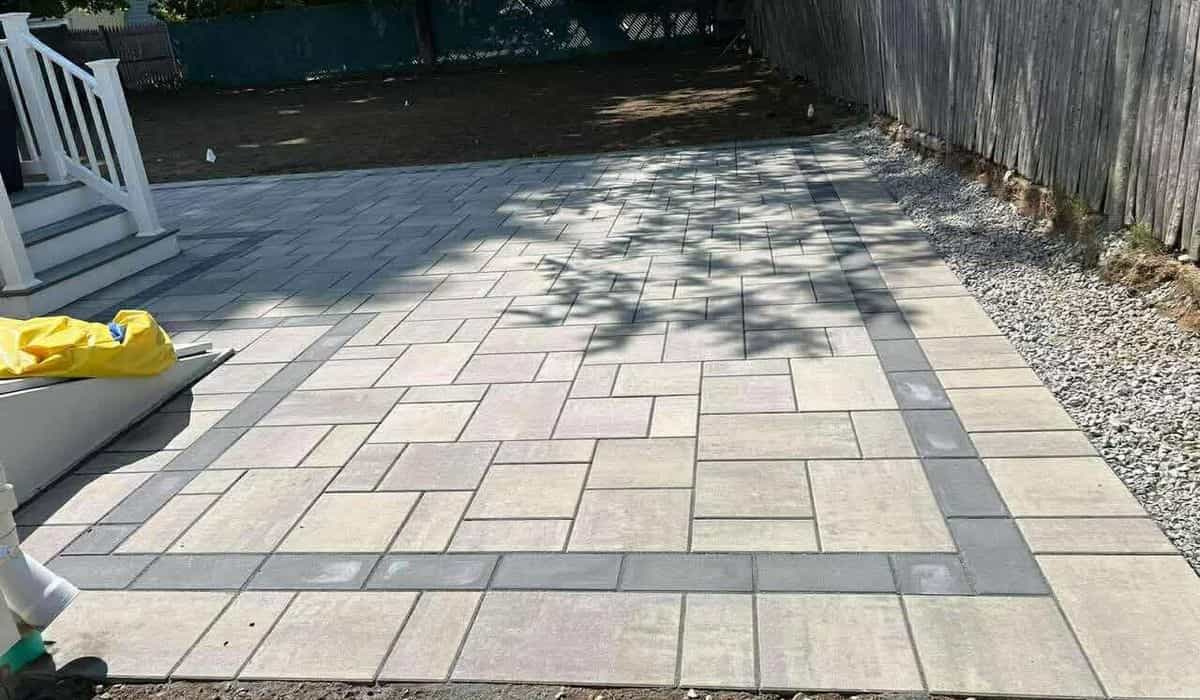
Ancient Beginnings: The Birth of Paving
Paving has been integral to human civilization since ancient times. The earliest known paved roads date back to around 4000 BC in Mesopotamia, where stone and brick were used to create durable surfaces for transportation. These early innovations laid the groundwork for future advancements in paving technology.
Roman Ingenuity: Engineering Marvels
The Roman Empire significantly advanced paving techniques. Roman roads, such as the famous Appian Way constructed in 312 BC, were engineered with multiple layers: a foundation of compacted earth, a layer of gravel, and a surface of tightly fitted stones. This design provided durability and efficient drainage, many of which have withstood the test of time.
Medieval Simplicity: The Rise of Cobblestones
Following the fall of the Roman Empire, Europe saw a decline in sophisticated road construction. During the medieval period, cobblestone streets became prevalent in European towns and cities. Cobblestones, naturally rounded stones collected from riverbeds, were set in sand or mortar to create durable road surfaces. While not as smooth as Roman roads, they offered improved traction and longevity.
Industrial Revolution: Innovations in Paving
The Industrial Revolution brought significant changes to paving materials and methods:
| Material | Description | Advantages |
|---|---|---|
| Stone Setts | Quarried and shaped stones, often granite, used for paving. | Durable and aesthetically pleasing. |
| Wood Blocks | Timber blocks used in urban areas to reduce noise. | Quieter than stone; easier to replace. |
| Bricks | Fired clay units used extensively in the 19th century. | Uniform size; good load-bearing capacity. |
The Concrete Revolution: Modern Paving
The 20th century saw the rise of concrete as a primary paving material. Concrete offered several benefits over traditional materials:
-
Durability: Concrete surfaces can last for decades with minimal maintenance.
-
Versatility: It can be molded into various shapes and finishes to suit different aesthetic and functional requirements.
-
Cost-Effectiveness: While initial costs may be higher, the longevity and low maintenance needs make concrete an economical choice over time.
Advancements in concrete technology have led to the development of permeable concrete, which allows water to pass through, reducing runoff and improving groundwater recharge.
Contemporary Trends: Sustainable and Aesthetic Paving
Modern paving practices emphasize sustainability and design:
-
Permeable Pavers: These allow water infiltration, reducing stormwater runoff and promoting groundwater recharge.
-
Recycled Materials: Incorporating recycled glass, rubber, and plastic into paving materials reduces environmental impact.
-
Decorative Finishes: Stamped and colored concrete offers aesthetic appeal for residential and commercial spaces.
MDZ Crew Landscaping & Paving Inc: Your Partner in Modern Paving
At MDZ Crew Landscaping & Paving Inc, we blend historical knowledge with modern techniques to deliver high-quality paving solutions. Our services include:
-
Concrete Driveways: Durable and customizable to enhance curb appeal.
-
Permeable Paving: Eco-friendly options that manage stormwater effectively.
-
Decorative Concrete: Stamped and colored finishes for patios and walkways.
Explore our Paving Services to learn more about how we can transform your outdoor spaces.
FAQs
Q1: What is the lifespan of a concrete driveway?
A well-installed concrete driveway can last 25 to 30 years with proper maintenance.
Q2: Are permeable pavers suitable for all climates?
Yes, permeable pavers perform well in various climates, but it’s essential to consider local conditions and proper installation.
Q3: Can decorative concrete be used for driveways?
Absolutely. Decorative concrete is both functional and aesthetically pleasing, making it an excellent choice for driveways.
References
History of Paving Stones
Pavement History
Cobblestone – Wikipedia
Edward de Smedt – Wikipedia
The Evolution of Pavers