Water management is one of the most important parts of maintaining a healthy and long lasting outdoor environment. Without proper drainage, excess water can slowly damage your lawn, garden beds, hardscape features, and even your home’s foundation. Many homeowners focus only on grass and plants while overlooking how drainage affects the entire landscape. At MDZ Crew Landscaping, property owners often request drainage improvements after noticing standing water, soil erosion, or unhealthy lawn conditions. Investing in proper drainage solutions early can help prevent expensive repairs and maintain a cleaner, healthier landscape year round.
Professional drainage systems not only protect outdoor spaces from flooding and erosion but also improve the performance of surrounding features such as patios, walkways, retaining walls, and driveways. A well planned drainage system helps maintain both appearance and functionality while protecting your overall property value.
Why Drainage Matters for Landscape Health
When water cannot flow away from your property correctly, it begins collecting in low areas of the yard. Over time, this excess moisture weakens grass roots, damages plants, softens soil, and creates ideal conditions for mold, mildew, and insect activity.
Poor drainage can also cause severe erosion problems that wash away mulch, topsoil, and landscaping materials during heavy rainfall. In many cases, homeowners notice muddy patches, sinking ground, or dying grass long before they realize drainage is the real problem.
Proper drainage protects your landscape by directing water safely away from vulnerable areas while maintaining healthier soil conditions throughout the property.
Common Signs of Poor Yard Drainage
Many drainage problems start slowly and become more serious over time. Recognizing the early warning signs can help homeowners avoid costly structural and landscaping damage later.
Some of the most common drainage warning signs include standing water after rainstorms, soggy lawn areas, water pooling near foundations, mulch displacement, cracked hardscape surfaces, basement moisture, and visible soil erosion around the yard.
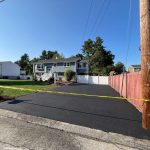
Drainage issues may also affect nearby outdoor improvements such as Asphalt Paving, patios, retaining walls, and walkways if excess water continues weakening the ground underneath.
How Professional Drainage Systems Work
Professional drainage systems are designed to control water movement across a property and redirect excess moisture safely away from structures and landscaped areas. Contractors often combine several drainage methods depending on the property layout and severity of the issue.
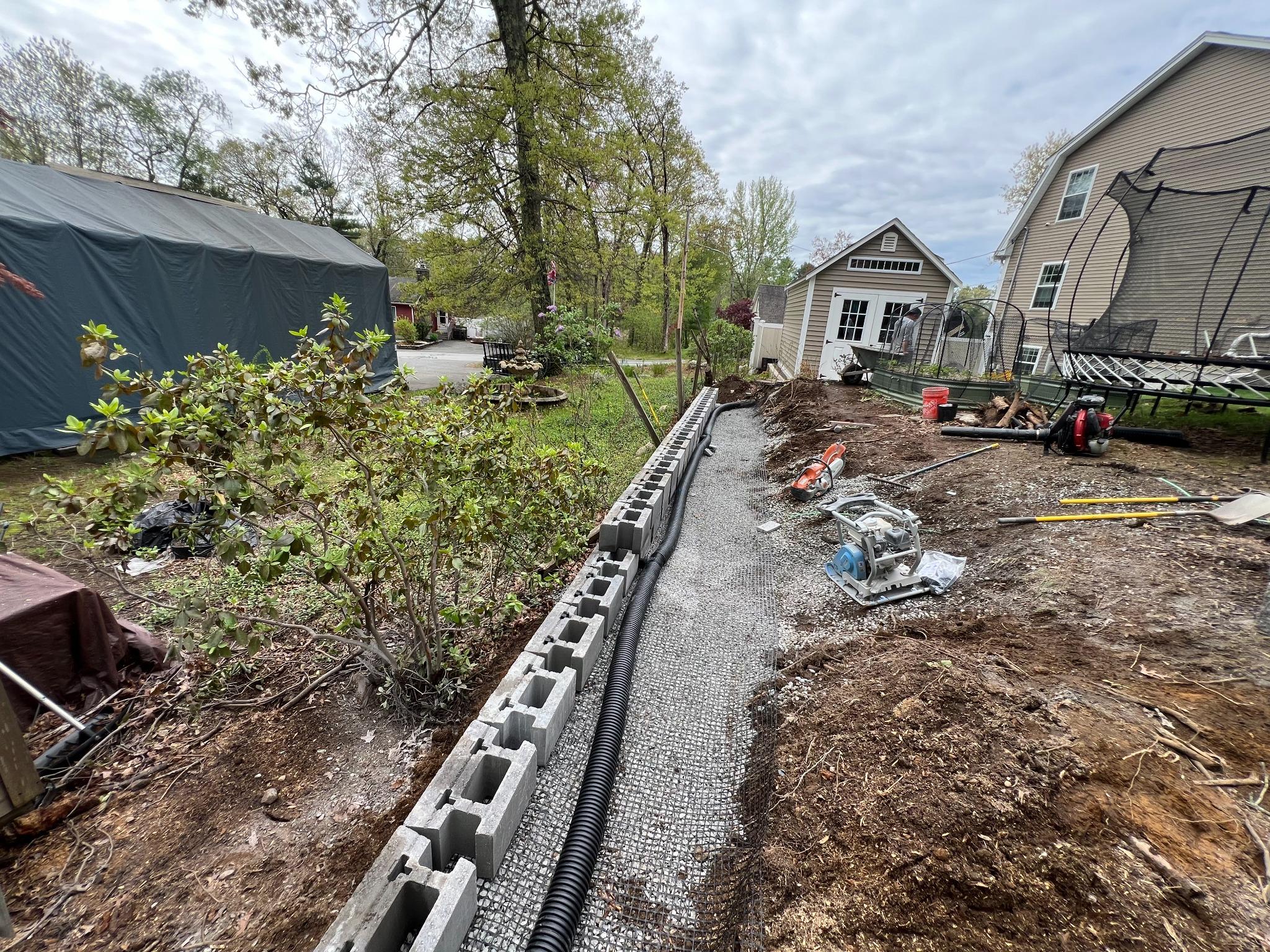
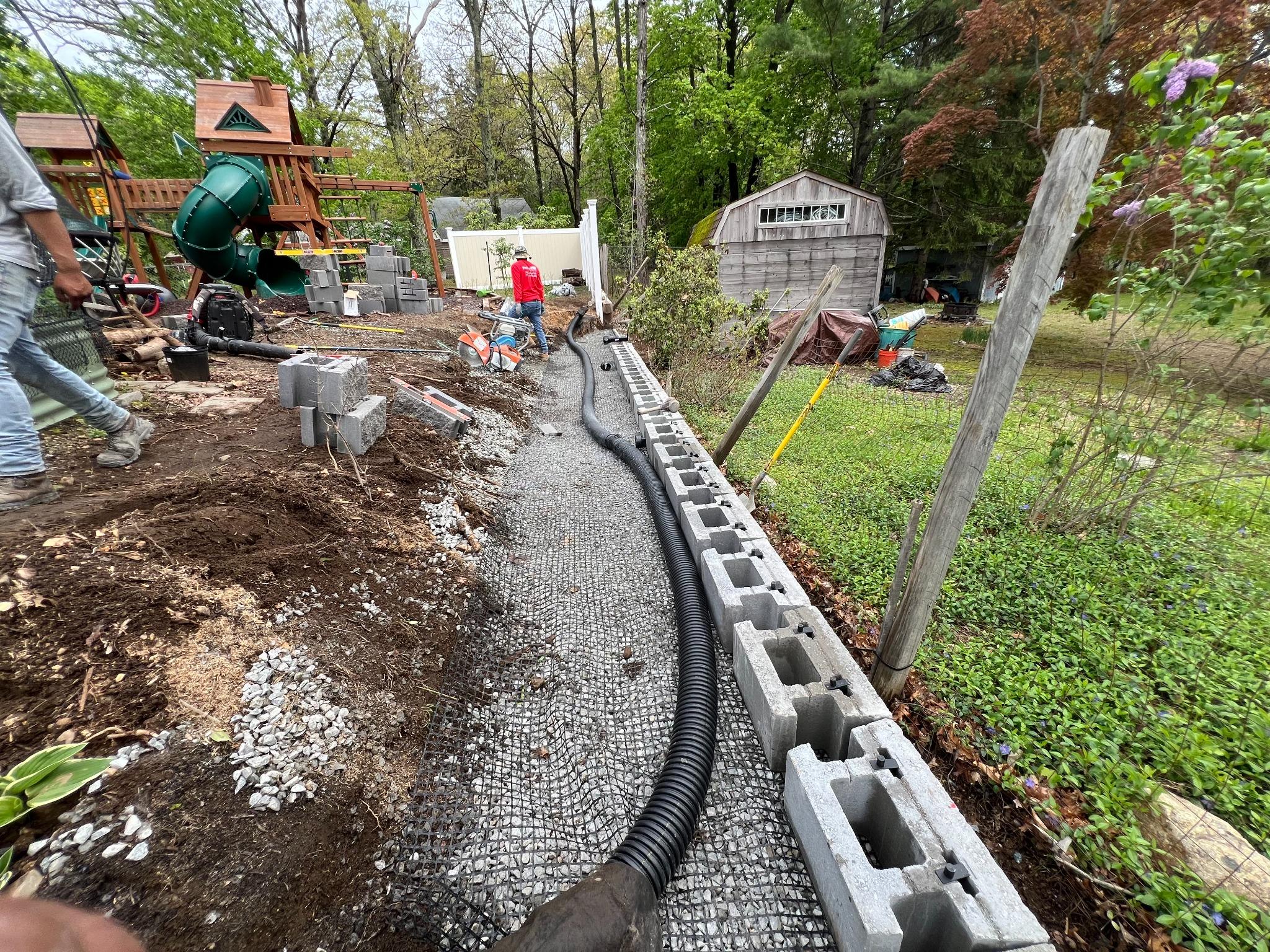
French drains, channel drains, dry wells, grading adjustments, catch basins, and underground drainage pipes are some of the most effective solutions for residential properties. These systems help prevent water accumulation while improving soil stability and landscape performance.
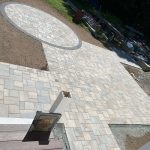
Many homeowners also combine drainage improvements with professional Hardscaping upgrades to improve both functionality and curb appeal at the same time.
The Impact of Poor Drainage on Paved Surfaces
Water damage does not only affect lawns and plants. It can also create major problems for paved areas and outdoor structures. Excess moisture beneath pavement can weaken the base layer, causing cracks, potholes, surface shifting, and premature deterioration.
Professional Paving Services often include grading and drainage evaluations before installation begins because water management plays a critical role in long term pavement durability. Whether you have a residential driveway or a commercial parking area, proper drainage helps extend surface lifespan and reduce future repair costs.
This is especially important for homeowners investing in Driveway Paving Services or large scale Parking Lot Paving projects where water accumulation can quickly damage asphalt surfaces.
Drainage Solutions That Help Protect Landscapes
Different properties require different drainage strategies depending on soil conditions, slope, and water flow patterns. Professional contractors evaluate the landscape carefully before recommending solutions.
Below is a simple overview of common drainage solutions and their benefits.
| Drainage Solution | Main Purpose | Primary Benefit |
|---|---|---|
| French Drain | Redirect underground water | Prevents pooling and erosion |
| Channel Drain | Control surface runoff | Protects paved surfaces |
| Grading | Improve water flow direction | Reduces foundation risks |
| Catch Basin | Collect excess rainwater | Prevents flooding |
| Drainage Pipe System | Move water away from landscape | Protects soil stability |
Protecting Property Value With Proper Drainage
Drainage problems can significantly reduce property value if they are ignored for too long. Standing water, landscape erosion, foundation damage, and cracked pavement often create expensive repair issues that discourage potential buyers.
A professionally designed drainage system protects outdoor investments while improving the overall appearance and usability of the property. Healthy lawns, stable soil, dry foundations, and properly functioning outdoor spaces all contribute to stronger long term property value.
Homeowners planning future improvements such as Landscaping, retaining walls, patios, or outdoor living spaces should always address drainage concerns before beginning construction.
Why Hiring Experienced Professionals Matters
Drainage systems require proper planning, grading calculations, and installation techniques to work correctly over time. Poorly installed systems may fail to redirect water effectively and can even create additional flooding or erosion problems.
Experienced contractors understand how water behaves across different property types and can design customized solutions based on soil conditions, elevation changes, and surrounding structures. Professional installation also helps protect nearby pavement, foundations, and outdoor features from future water damage.
Property owners investing in outdoor construction should also verify contractor qualifications, including proper Paving Contractor Licensing and Insurance, before hiring a company for drainage or paving related projects.
Frequently Asked Questions
What causes poor yard drainage?
Poor yard drainage is commonly caused by compacted soil, improper grading, heavy clay soil, blocked drainage systems, or low areas where water naturally collects.
Can drainage problems damage my foundation?
Yes. Excess water near the foundation can weaken soil stability, create basement moisture issues, and increase the risk of structural damage over time.
How do French drains work?
French drains collect underground water through perforated pipes surrounded by gravel and redirect the water away from the property safely.
Does drainage affect asphalt pavement?
Yes. Water beneath pavement can weaken the base layer and lead to cracks, potholes, and surface deterioration.
Should drainage problems be fixed before landscaping projects?
Yes. Solving drainage issues before installing new landscaping, patios, or pavement helps protect the long term durability of the project and prevents future water damage.