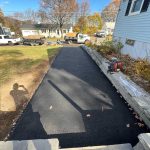
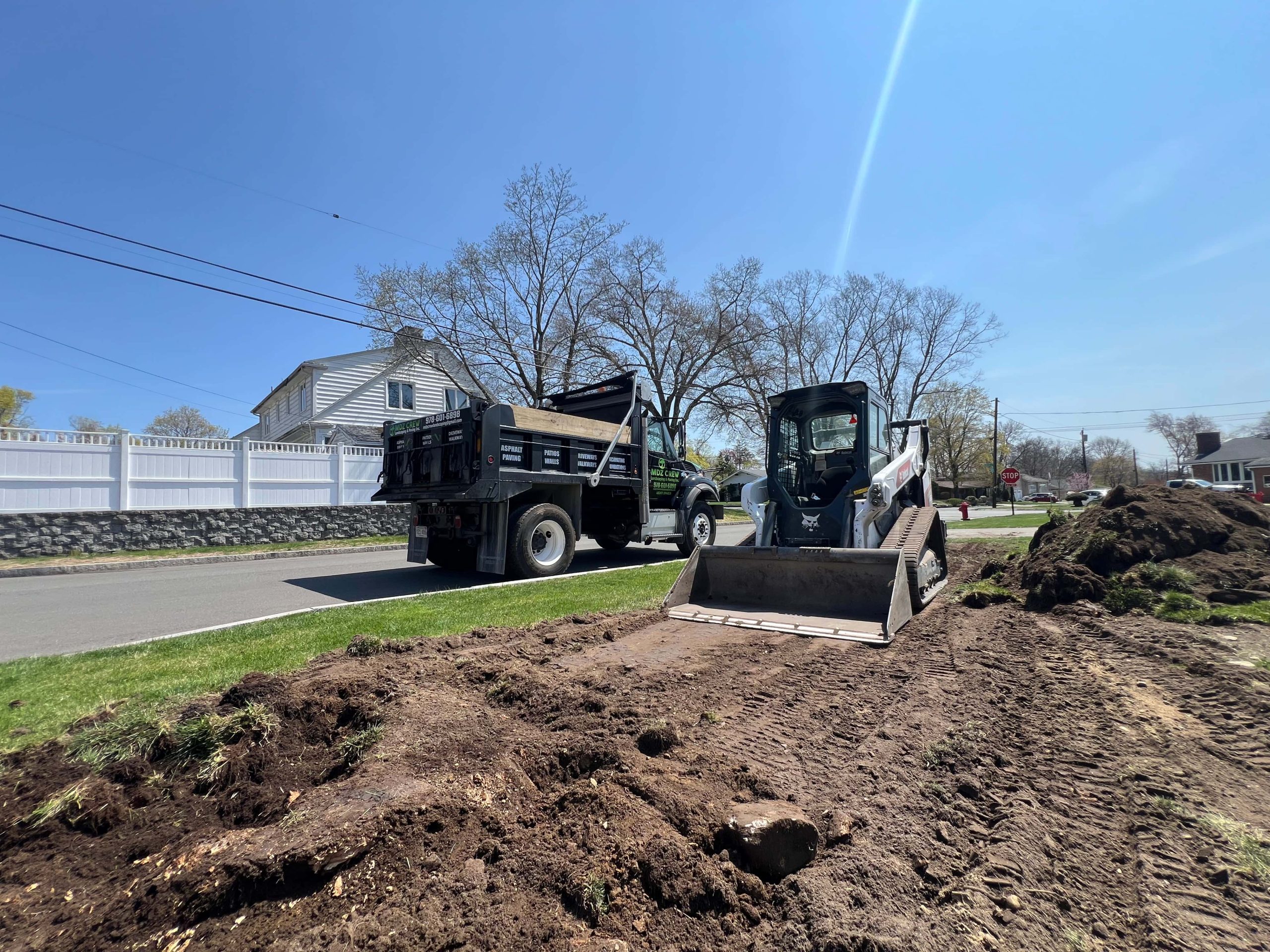
A properly paved driveway or parking lot does more than improve the appearance of a property. It increases durability, safety, and long term value. Professional contractors follow a detailed process to ensure the pavement lasts for many years without cracking or structural failure. At MDZ Crew Landscaping, our team specializes in Paving Services, Asphalt Paving, Driveway Paving Services, Parking Lot Paving, Barrett Paving, Hardscaping, and Landscaping, delivering reliable results using industry proven methods. Understanding the professional paving process helps property owners know what to expect and why quality workmanship matters.
Below is a detailed breakdown of how experienced contractors complete a paving project from start to finish.
1. Initial Site Evaluation and Planning
The paving process begins with a professional inspection of the project site. Contractors assess soil stability, drainage patterns, traffic load requirements, and the current condition of the surface.
During this stage, experts determine whether the project requires full excavation or resurfacing. The evaluation also includes measuring the area, determining the proper thickness of asphalt layers, and identifying any drainage issues that may affect pavement performance.
A detailed plan ensures that the pavement will withstand weather changes, heavy vehicles, and daily use without early deterioration.
2. Permits, Design, and Project Preparation
Once the assessment is complete, contractors prepare the project plan and secure any necessary permits required by local authorities. This step ensures the work complies with local construction regulations and safety standards.
The design phase may also include grading plans, layout adjustments, and preparation for surrounding features such as walkways or Hardscaping elements. Proper preparation prevents unexpected delays and ensures that the paving process proceeds efficiently.
3. Demolition and Surface Removal
If an old driveway or parking lot exists, it must be removed before installing a new one. Contractors use specialized equipment to break up and remove damaged asphalt or concrete.
Removing the old material allows the team to inspect the underlying soil and correct any foundational problems. Recycling old asphalt is also common in modern paving projects, helping reduce environmental waste while maintaining material efficiency.
4. Ground Grading and Base Preparation
One of the most important steps in paving is preparing the foundation. Contractors grade the soil to ensure proper slope and drainage. Without correct grading, water can collect beneath the pavement and cause cracks or potholes.
After grading, a base layer made of crushed stone or aggregate is installed and compacted. This base provides structural support for the asphalt layers and prevents shifting over time.
Proper base preparation is critical for long term pavement durability whether the project involves Driveway Paving Services or large scale Parking Lot Paving.
5. Installing the Binder Layer
The binder layer is the intermediate asphalt layer placed between the base and the final surface. It contains larger aggregate mixed with asphalt binder, creating strong structural support.
This layer provides additional strength and stability for areas that experience heavy traffic such as commercial parking lots or busy residential driveways. Once installed, the binder layer is compacted using heavy rollers to ensure a dense and even surface.
6. Asphalt Surface Installation
After the binder layer has been properly compacted, contractors install the top layer of asphalt. This final surface layer contains finer aggregates and provides the smooth, finished appearance of the pavement.
The hot asphalt mixture is spread evenly using paving machines and then compacted with rollers to eliminate air pockets and create a durable surface. Precision during this stage ensures the pavement remains level and resistant to cracking.
This process is essential in projects involving Asphalt Paving and high performance surfaces like Barrett Paving.
7. Compaction and Quality Inspection
Compaction is performed multiple times during installation to achieve maximum density. Proper compaction prevents future structural problems and improves pavement lifespan.
Once the paving is complete, contractors perform a detailed quality inspection to ensure the surface meets industry standards. This inspection includes checking for smoothness, proper drainage slope, and consistent asphalt thickness.
Professional contractors also verify that edges, joints, and transitions between surfaces are properly finished.
8. Final Finishing and Project Cleanup
The final stage includes striping, sealing edges, and cleaning the surrounding area. Parking lots may require line striping, traffic markings, or signage installation.
For residential properties, contractors may also integrate nearby Landscaping elements such as pathways, decorative stone, or outdoor features to enhance the overall appearance of the property.
The completed pavement typically requires a short curing period before heavy traffic is allowed.
Asphalt Paving Process Overview
| Step | Process | Purpose |
|---|---|---|
| 1 | Site Evaluation | Assess soil conditions, drainage, and project requirements |
| 2 | Planning and Permits | Ensure compliance with local regulations and project design |
| 3 | Surface Removal | Remove old pavement and inspect foundation |
| 4 | Base Preparation | Create a stable foundation with proper drainage |
| 5 | Binder Layer Installation | Add structural strength to the pavement |
| 6 | Surface Asphalt Layer | Provide a smooth and durable driving surface |
| 7 | Compaction and Inspection | Ensure pavement density and structural quality |
| 8 | Finishing Work | Add striping, edges, and final project cleanup |
Why Hiring a Professional Paving Contractor Matters
Professional paving contractors use specialized equipment, quality materials, and industry proven techniques that ensure long lasting results. Improper paving can lead to early cracking, drainage problems, and costly repairs.
Working with experienced professionals ensures that every stage of the paving process is handled correctly, from site preparation to final finishing. Property owners looking to improve their driveway, parking lot, or outdoor surfaces can benefit from expert Paving Services that combine durability with visual appeal.
Frequently Asked Questions
How long does a paving project usually take?
Most residential paving projects can be completed within one to three days depending on the size of the area and weather conditions.
How long before a new asphalt driveway can be used?
Light foot traffic is usually safe within 24 hours, while vehicles should wait at least 48 to 72 hours to allow proper curing.
What is the lifespan of asphalt pavement?
With proper installation and maintenance, asphalt pavement can last between 15 and 25 years.
Is asphalt better than concrete for driveways?
Asphalt is often more flexible and cost effective, making it a popular choice for residential driveways and parking areas.
Do paving contractors provide maintenance services?
Yes, many contractors offer sealing, crack repair, resurfacing, and maintenance services to extend the life of paved surfaces.